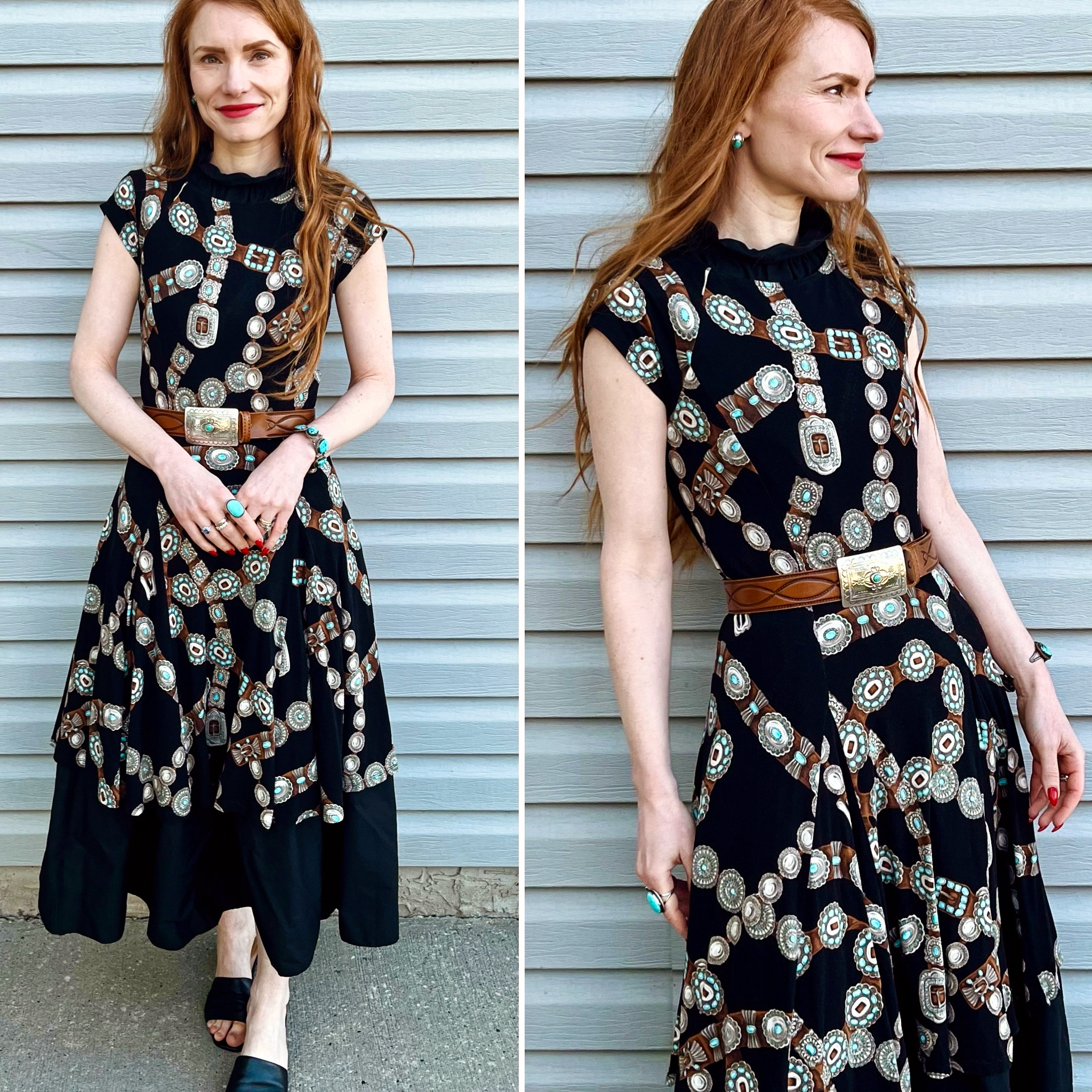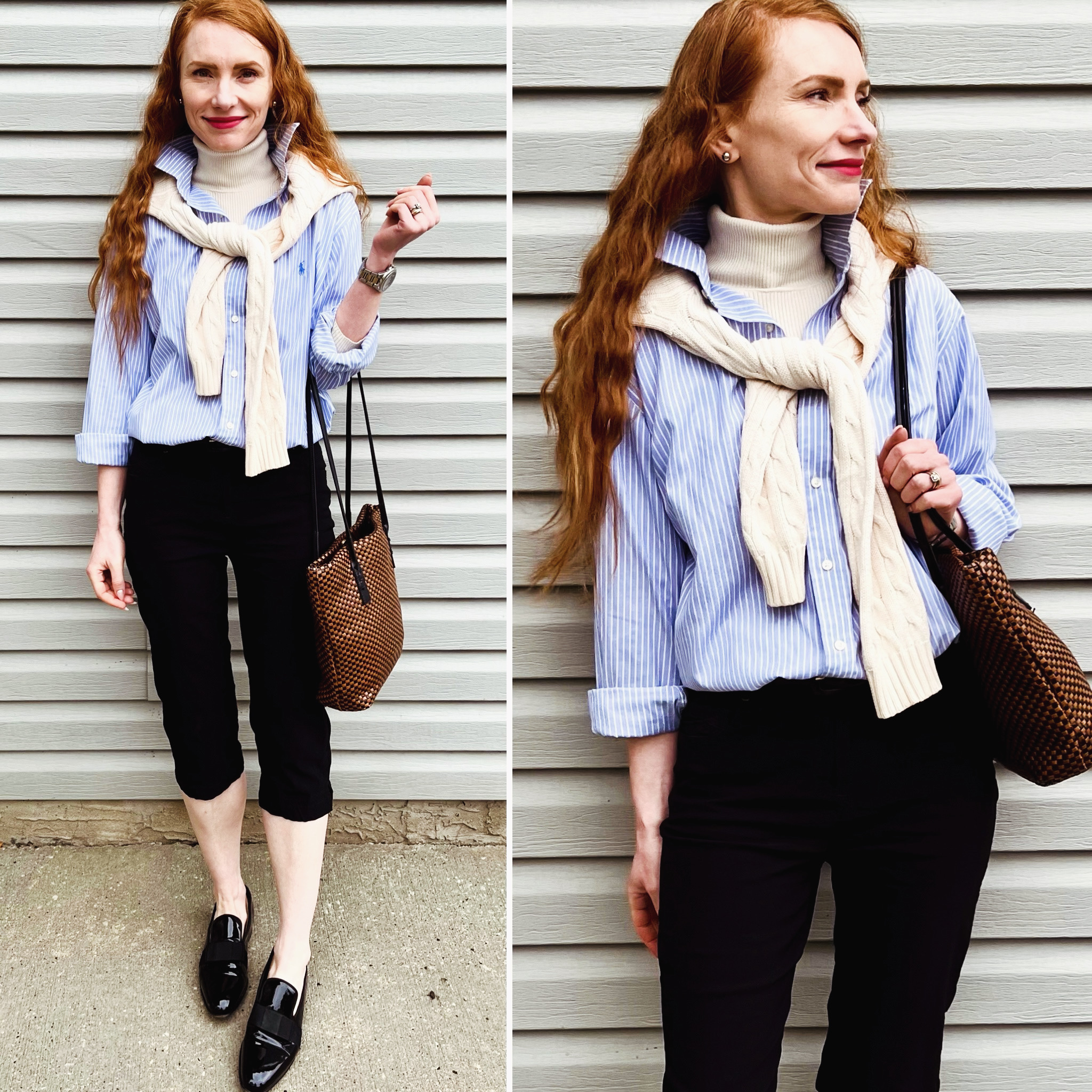

Busy weeks are stressful, but busy weeks also tend to be distracting, which leaves less room for existential angst. I’ll take it. And the best news is that Alberta remains (as it should be) Canadian. In an increasingly mad world, it’s nice (and such a relief!) to see sanity prevail now and then.

I wish I could tell you what I did this week but, honestly, I’ve already blocked most of it from my mind. Lately, stuff happens, and five minutes later, I’ve forgotten about it. I’d blame it on perimenopause but I think it’s just good old fashioned executive overload. To tackle the next thing, I gotta make mental room, so out goes the old task (that, hopefully, I actually completed). I’m pretty sure there were some parent-teacher conferences, doctor appointments, the usual chores, and at least half a dozen dropped balls of some sort.
I did read a couple of books, finally – yay! Admittedly, they were short books. But also quite substantial. One was The Courage to Write by Rollo May, and one was The Courage to Be by Paul Tillich; both recommended to me by my amazing therapist. [Who is actually a psychoanalyst, but I don’t like to call him that because it sounds pretentious when I hear myself say “my psychoanalyst”, lol! Anyhoo.] I am still digesting them, and all the food for thought they’ve given me, but expect to see them mentioned again in some future post(s).
I have been dealing with a lot of creative angst lately, and finally had a major breakthrough in my last therapy session. Yes, I talk about that sort of thing with my therapist. It’s all existential, when you dig down far enough, I assure you. It couldn’t have come at a better time because I was teetering on the verge of abandoning my current WIP, a new urban fantasy series in which I’ve poured massive amounts of energy, these last 5 months or so. Now, I feel like I have a better handle on both the creative process as a whole, and this specific work in particular.

I also got feedback from one of my trusted beta readers on the first 9 chapters of book #1, which was mostly encouraging. I have some ideas for fixing/improving some of the issues they raised, but most importantly, I feel reassured that I have a fun story worth the continued investment.
It might sound like I’m putting an awful lot of value/faith in the opinion of one person, and that’s true, up to a point. Beta readers are a part of the writing process that isn’t perhaps well understood by many who aren’t (seasoned) writers. Plus, in this case, my beta reader is also, in part, a writing critique partner (being a writer themselves). It’s someone I’ve known for a long time, whose judgment (creative and intellectual) I value a lot. Not more than my own, ultimately, but enough to carefully consider as part of my decision-making. I think every writer who is serious about their craft needs someone like that in their corner.
On the other hand, too many opinions (especially from random people) can be more detrimental than helpful. When I hear of people having 4, 5, 8 or more beta readers, I wince. More power to them if they find it helpful, but I would probably end up tearing my hair out and never finishing any piece of writing.

I have been informed that the snow forecasted for this weekend is now on a two-week delay, so I have no excuse not to tackle the garden this weekend – alas. Is there anything less fun than winterizing? At least the recent windstorms have cleared a good chunk of the dead leaves. Thanks, Mother Nature!

Have a great weekend!