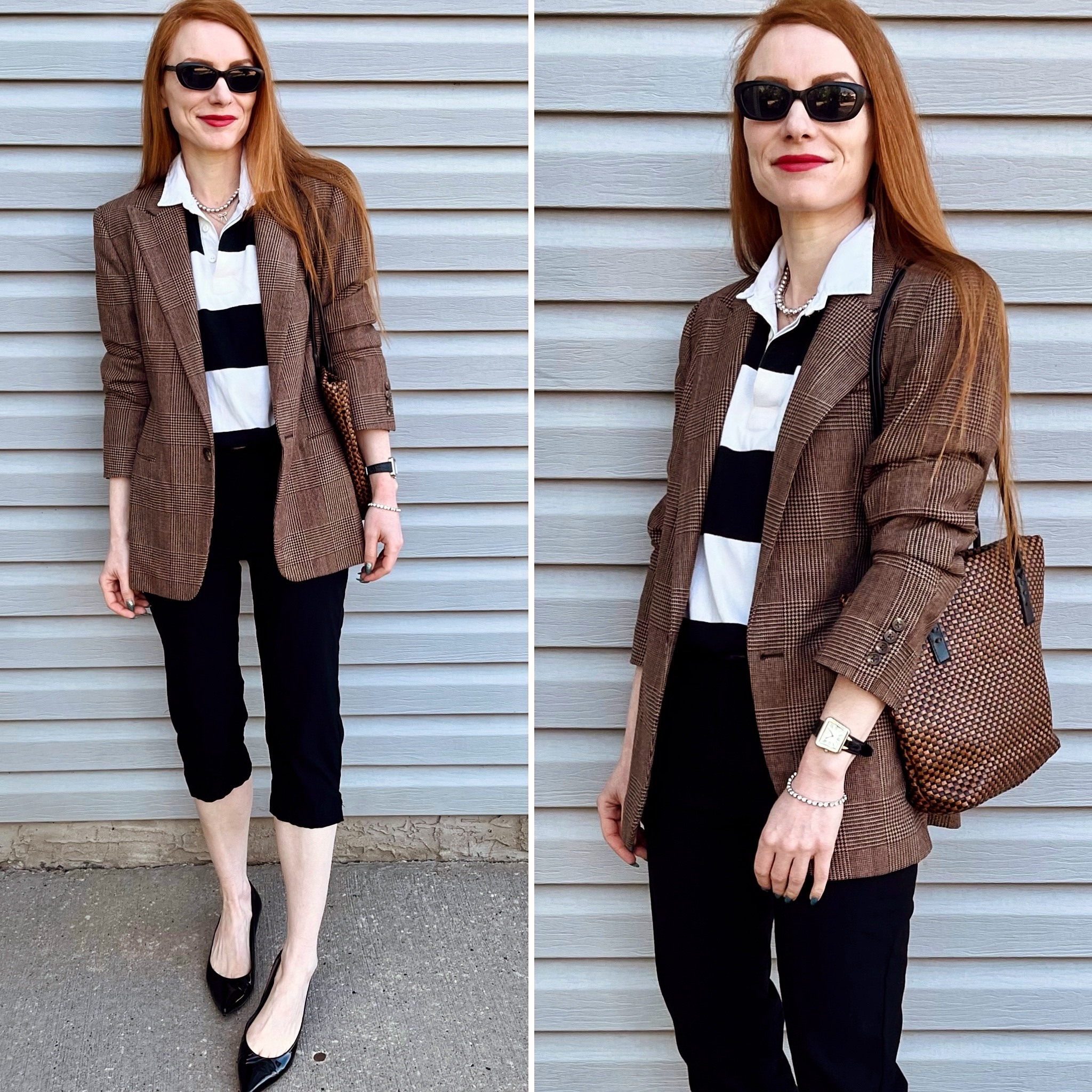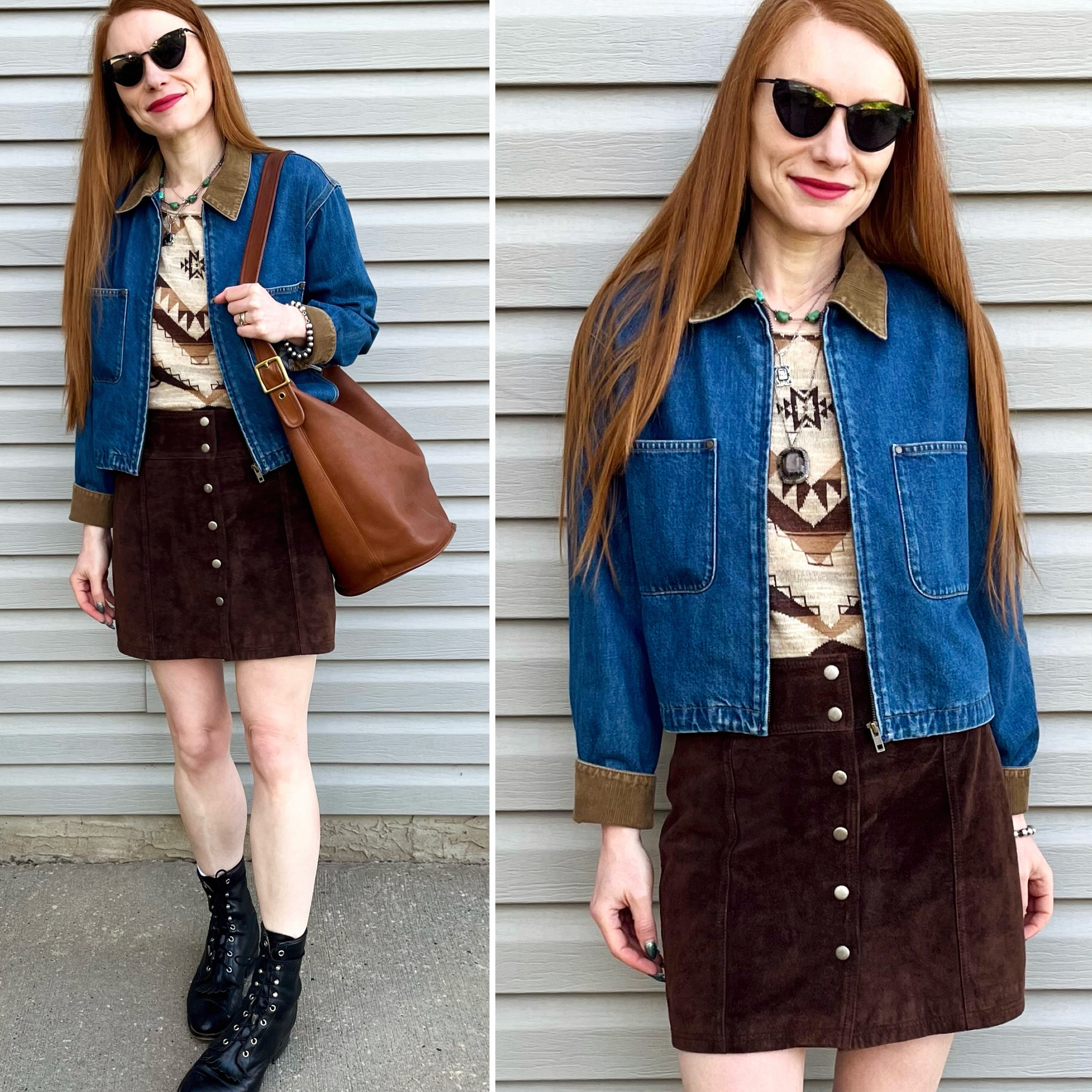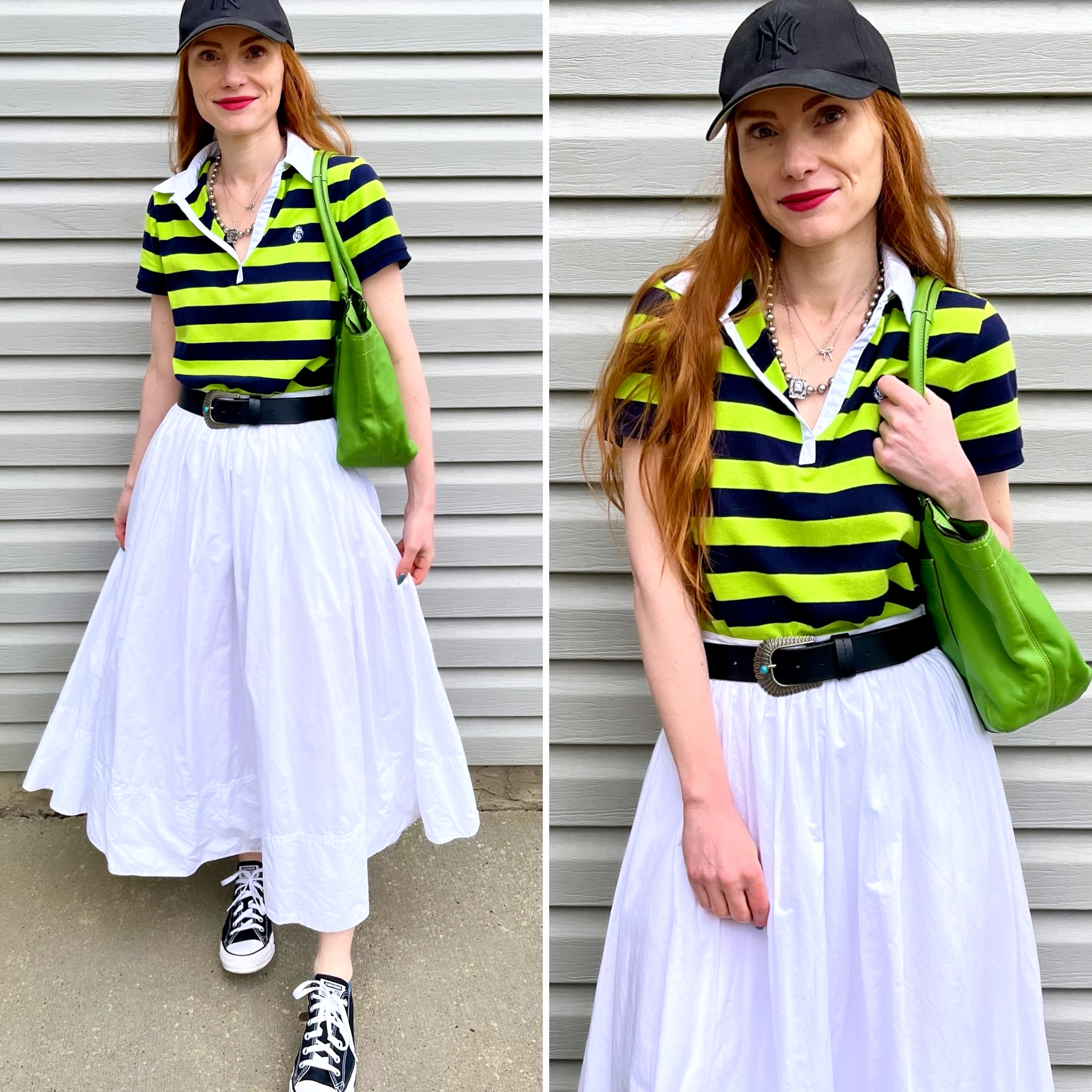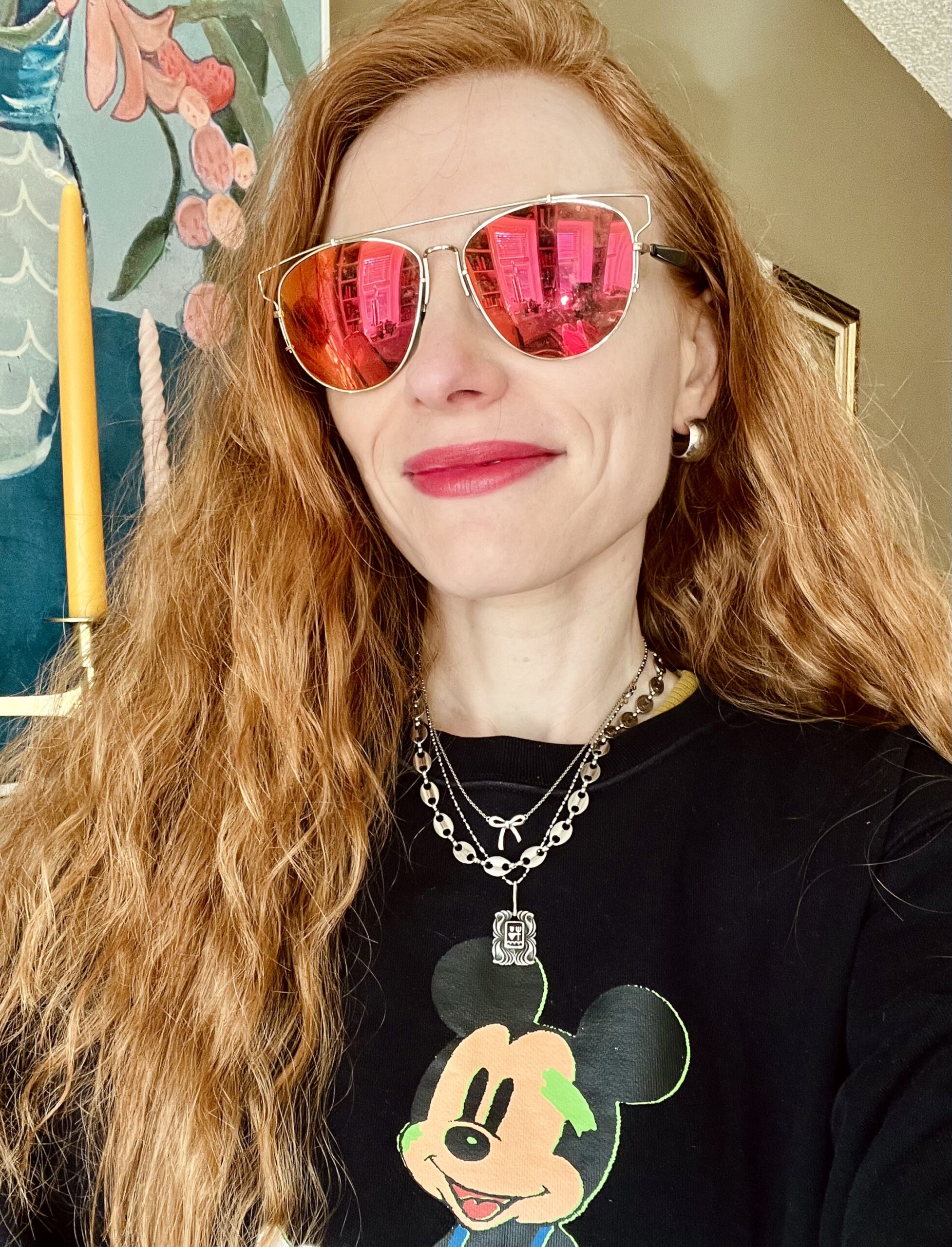
Here are my most recent:
Three Beauty Products
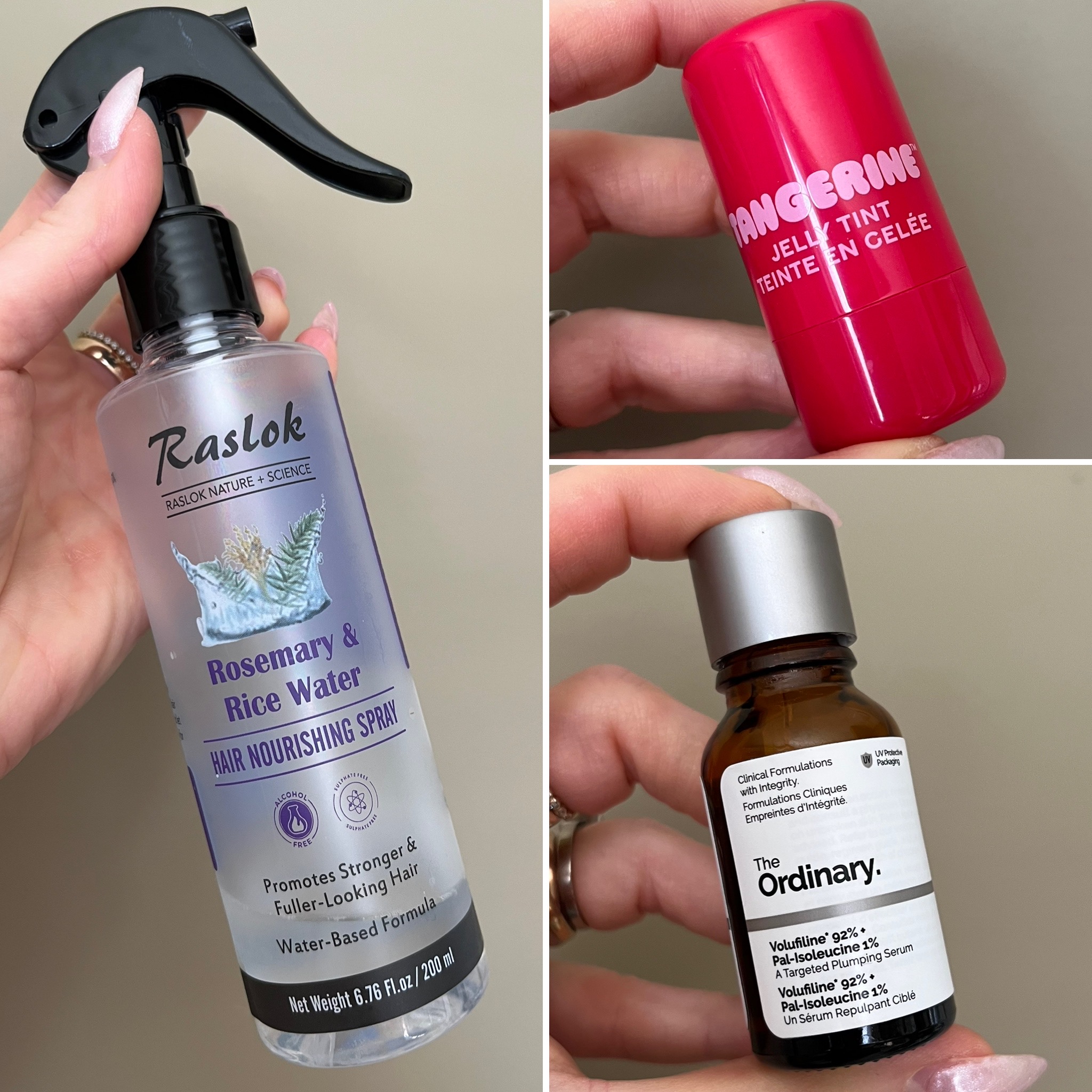
I have talked about the rosemary and rice water hair spray before, and I am still using it religiously. No bad side effects as yet (fingers crossed) and my hair has never looked more voluminous. The only downside is that I’m going through a bottle every 2 weeks or so, which adds up to about $28 a month. Is that a lot to spend for Shakira hair? In this economy? I don’t even know anymore.
I bought The Ordinary’s volufiline serum a while back, influenced by social media, but it sat on my bathroom shelf for months. Recently, I decided to give it a try, to see if it will plump up my under eye areas that look a bit more ‘sunken in’ than before. I’d rather use skincare than makeup to deal with it. It’s only been a few weeks so it’s too early to tell if it’s really working, but so far so good (no breakouts, for one thing).
I am obsessed with these cheapies jumbo jelly lip tints I found at Winners. They’re not very long-lasting, but you can layer/build up the colour and I love reapplying them — they have a cooling effect. They don’t feel sticky or glossy and create more of a ‘sheer stained lip’ look than an opaque, lipstick effect. The only downside is this shade, which is supposed to be a true red is actually more of a cherry pink. Luckily, it’s a flattering colour for me, but it’s a change from my usual red lip.
Three Football Jerseys
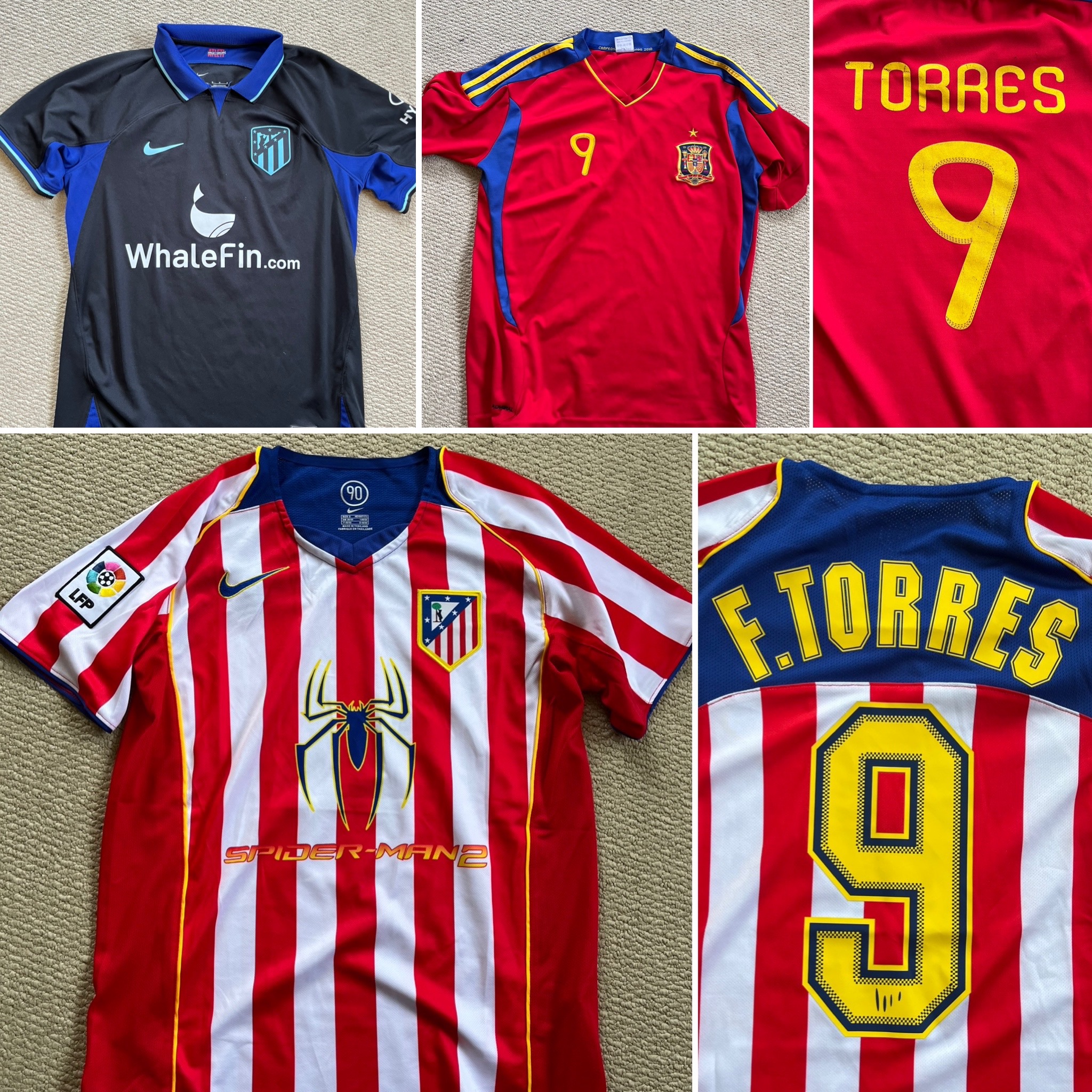
My online clothes shopping is now pretty much exclusively football shirts. To be fair, I’ve tried browsing my old saved searches on Poshmark and got served the Mbappe special (for example, nothing). I haven’t seen a ‘must have’ vintage Ralph Lauren piece in months, and the few vintage pieces that pop up from time to time are wildly priced; ditto for vintage Coach bags. At this point, I have enough clothes so the only things I’m interested in buying are collector items.
Which is where football shirts come in. Yes, I have a new collection. But before you yell at me: I actually wear them, often.
Since I moved my home office into the basement, where it’s freaking cold year-round, I’ve changed up my approach to work wear. I stopped wearing my ‘nice’ work clothes and switched to athletic wear. But, like, cool stuff! Graphic hoodies, vintage track jackets, and, yes, football shirts (layered over other tops, because did I mention how cold my basement is?). And I pile on the jewelry for that Y2K metrosexual football player aesthetic.
My most recent football shirt collection purchases rep my faves, to wit: national team, club, and all-time fave player. The Spider-Man shirt was one of my Holy Grails and I’m absolutely obsessed with it. Every time I wear it, it’s a conversation starter. [Less so about football and more about other people’s love of the Spider-Man movies, but I’ll take it.] It was my first eBay purchase in a few years, and I was nervous about the fact that it was being shipped from France, but I had no issues (and did not get hit with customs, yay!).
Three Repeat Buys
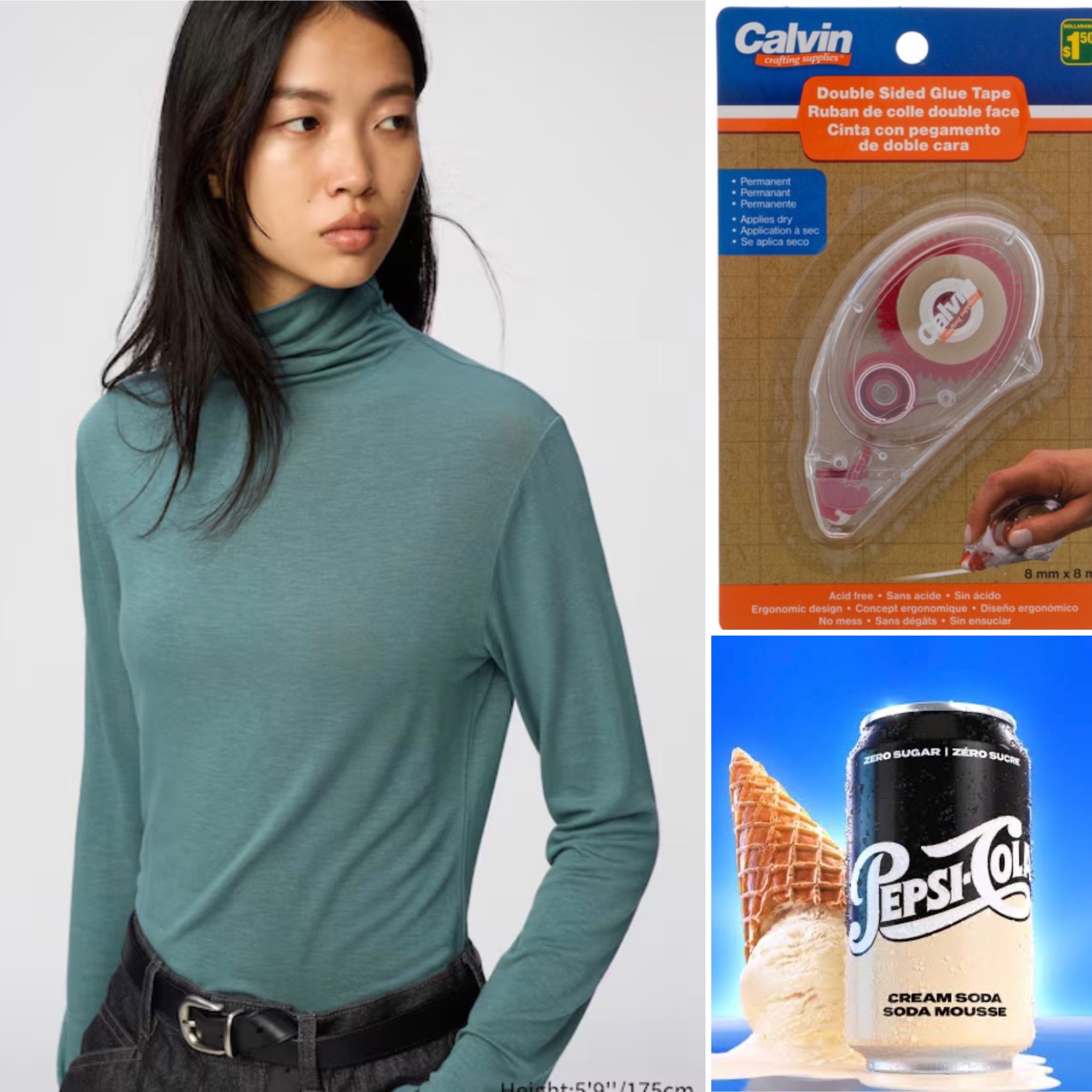
I recently discovered sugar-free Pepsi Cream Soda and I’m obsessed. It’s bad, guys. First, because I was a Coke girlie for 25+ years and this feels sacrilegious, lol! Second, because I finally managed to wean myself off carbonated sodas at the start of the year and now … well, I’m back on the train. I’m limiting myself to one can every other day, but damn, it’s a tasty treat.
I go through so much Dollarama glue tape, I think I am single-handedly propping up the discount glue tape industry. I’m currently on my 8th scrapbooking notebook, in case anyone was wondering. Gluing bits of paper to other paper is still my fave decompressing activity, though I’ve switched from listening to murder mystery shows to listening to football podcasts while I do it.
Putting the Uniqlo cashmere turtlenecks in this category might seem like a cheat, but I do think of them as a ‘repeat’ buy. I bought 4 last year, and wore them non-stop through winter and spring, and I’ve been waiting for fall to come around so that Uniqlo would finally drop new colours. I was not disappointed! I ended up getting 3 more — coral pink, dark teal, and beige — and I’m super excited to add them to my rotation. They are the perfect base layer for cold weather: super soft (non-itchy), warm but lightweight (non-bulky). I was hoping for a slate blue and a vibrant violet, but hey — maybe next time.
Bonus Fourth
I had to sneak this one in:
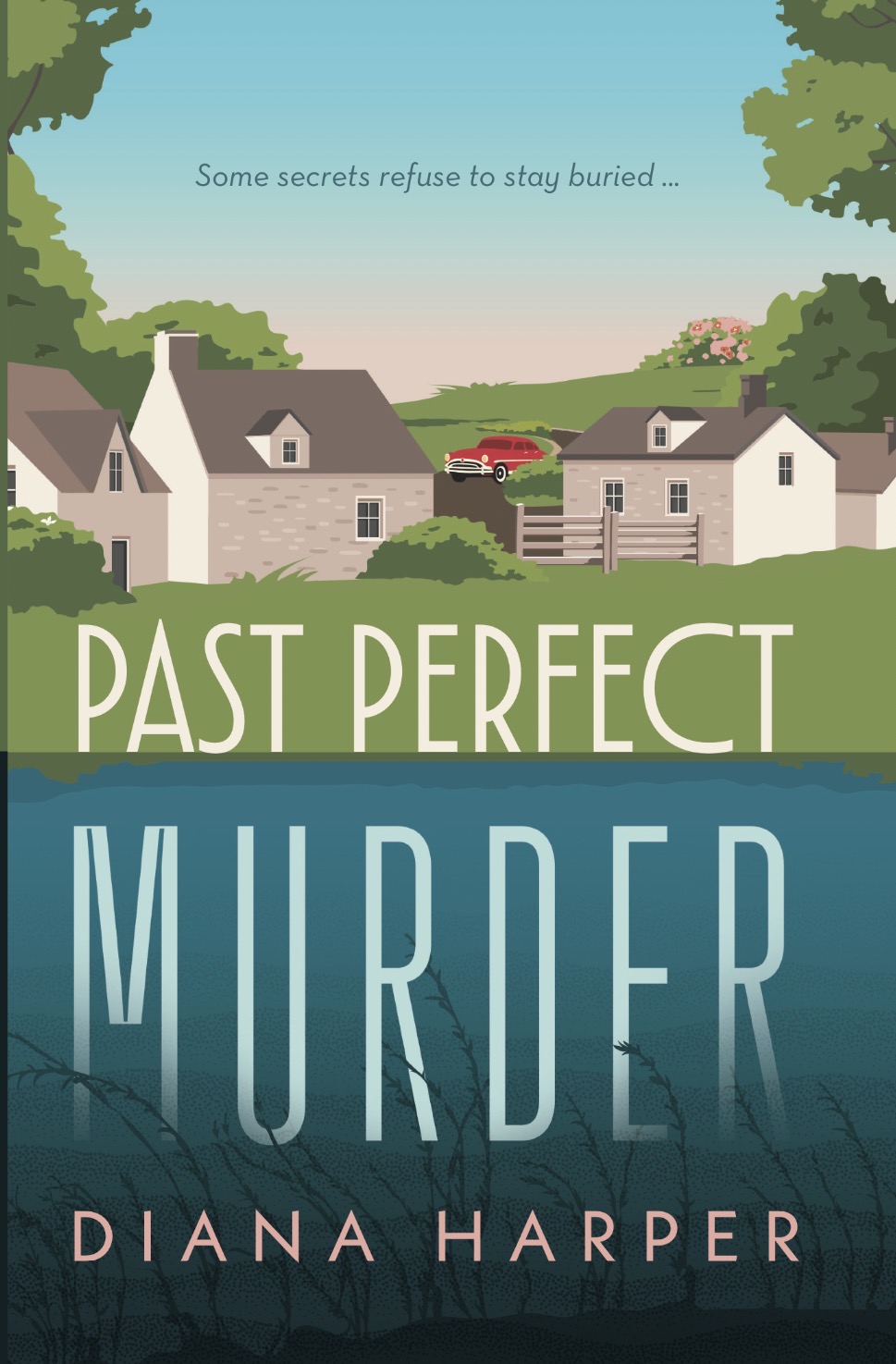
My 4th (!!) book, Past Perfect Murder, is out today. I am so excited to share it with y’all. If you want to add some cozy mystery & romance vibes to your TBR, you can purchase the ebook from a wide selection of retailers, and the paperback (and ebook) on Amazon.