Category: Uncategorized

Winter Personal Care Must-Haves

Living in northern Alberta is not for the faint of heart when it comes to the roughly six months out of the year that constitute “winter” here. Even someone like me – a dedicated hibernator homebody – cannot entirely escape the toll of the climate. It’s very, very cold and very, very dry. This time of year, there are moments when I feel like my life is simply a constant battle to keep moisture from leaving my body. Being in my mid-40s probably doesn’t help (thanks, perimenopause!).

I’ve been slowly building up my arsenal of tools to combat some of the most common problems I encounter during the winter with my skin and hair, but I am always looking for more and better options. So, how about this: I’ll tell you mine if you tell me yours?

La Roche Posay Cicaplast Baume B5
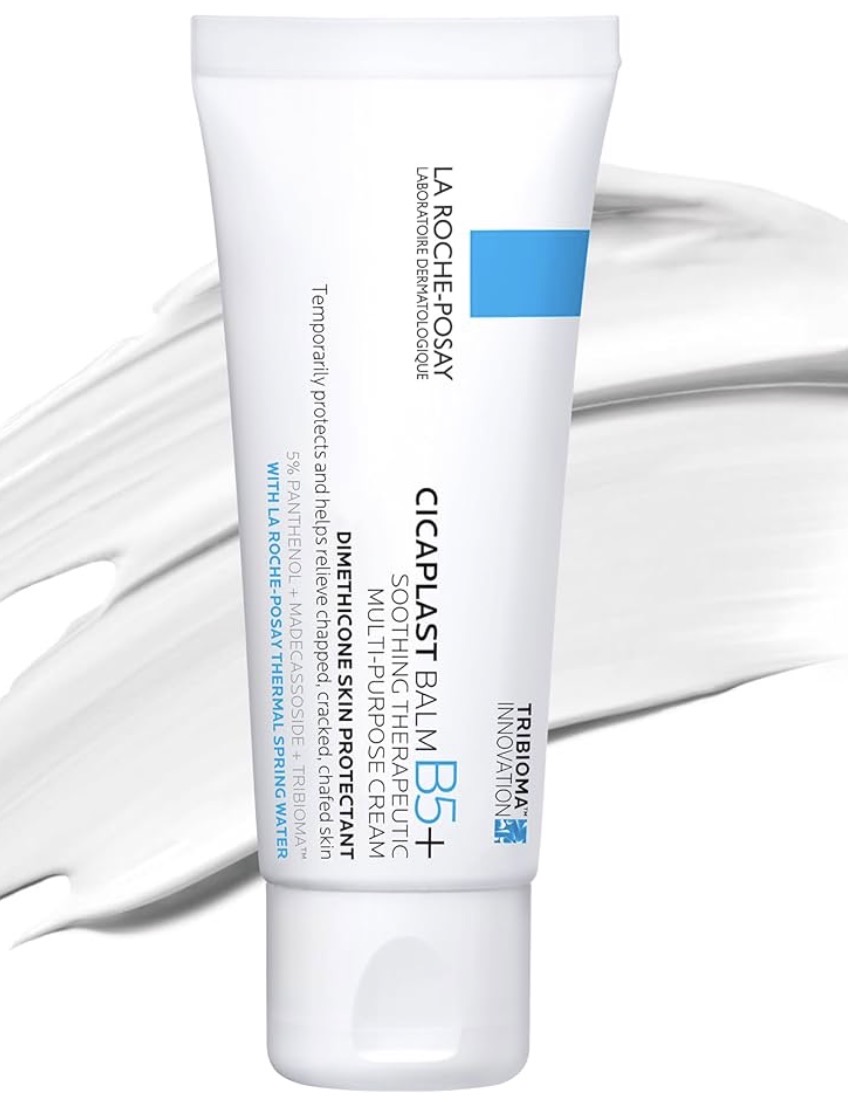
This has been a game-changer for me. I actually use it year-round as my morning moisturizer, but I find it especially useful in the colder months. I’ve seen a bunch of dermatologists on social media say that it’s a fantastic barrier cream (take that for what it’s worth) and I can personally attest that it’s great for sensitive or irritated skin. My husband’s skin gets very flaky and red during the winter, and this cream got his issues under control immediately. It’s quite thick but absorbs quickly and without a greasy/heavy feel. A small amount goes a long way, which also makes it quite affordable. A 100ml tube is under $30CAD and lasts me 2-3 months.

One trick I learned from my daughter (who also uses this cream and loves it): once the tube is down to the last ¼ or so, cut the top half off and use it as a makeshift “lid”. This lets you access the last bits of cream that might otherwise be difficult to get out through the squeeze top, and reduce (a surprising amount of) wastage.

Lip Medex
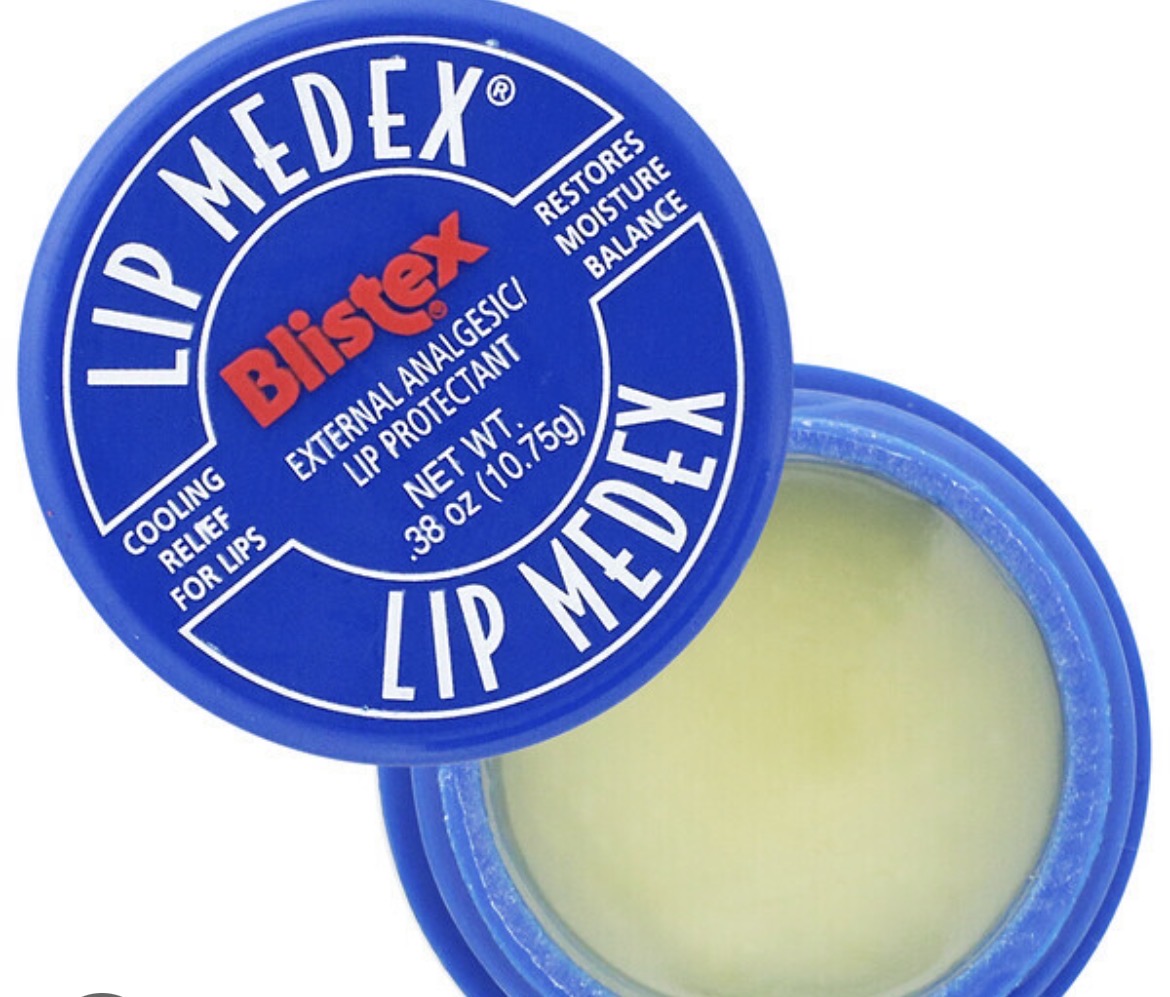
Apart from chapped lips, which are a pretty common occurrence in cold climates, I also have the pleasure of getting cracked skin at the corners of my mouth during the winter. I can’t tell you how incredibly uncomfortable that is! I’ve tried so many different creams over the years to combat this, but nothing has worked as well as Lip Medex. My SIL gave me some to try one time when I was complaining to her about my lip problems, and it worked within less than 48 hours – where, normally, it would take days and days to heal the cracks. Now, any time I feel my lips or the corners of my mouth get even remotely dry, I immediately apply some of this stuff, and it stops the cracking before it’s even started.

O’Keefe’s Healthy Feet
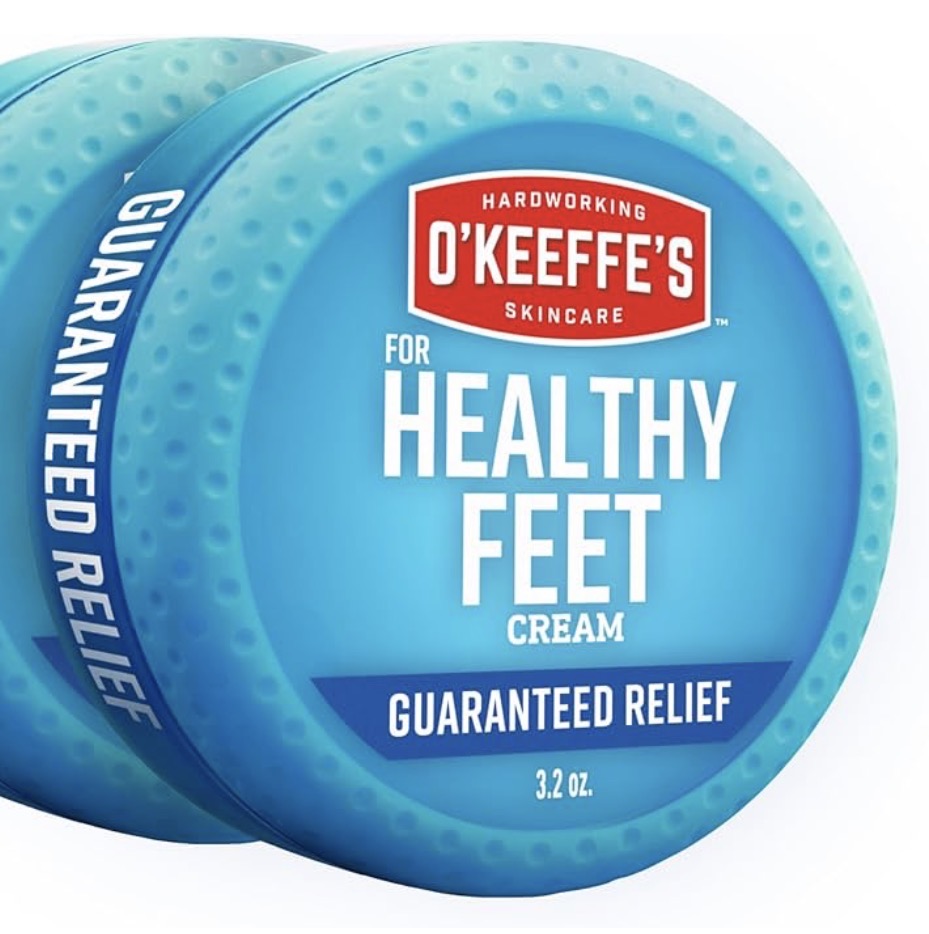
My feet are prone to dry, cracking skin in general, but especially in the wintertime, and this cream is hands-down the best and quickest fix. If I was a less lazy person, I would use it consistently to keep my feet baby soft all the time, but alas … On the bright side, no matter how badly I let things slide, this cream gets things under control again within 2-3 days of daily application. And the Working Hands cream is also excellent.

Olaplex No. 7 Bonding Oil
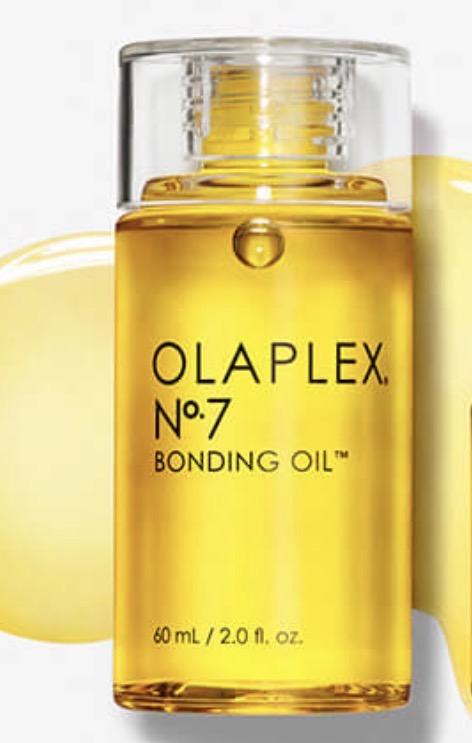
My hair is quite porous and dry, and the problem is exacerbated during the winter. I use this leave-in oil year-round on my ends, to combat dryness and breakage/splitting, and it works like a charm. I only get trims once every 4-5 months, and my hairstylist always comments on how healthy my hair is. I don’t use a lot of products on my hair, but I’m quite religious about this one. My typical routine is to scrunch a small amount through freshly washed, wet hair from about chin-level down to the ends, concentrating more on the bottom half of my hair. Less is more – and considering that this is a pricier product, that’s a good thing. I also use the oil on dry hair (again, just the bottom half) if I find that it’s getting staticky or tangled between washes. I love that it doesn’t weigh down my hair or make it feel greasy (or, alternately, “crunchy” like some of the cream-based products I’ve tried for wavy/curly hair).

Elizabeth Arden 8 Hour Miracle Balm
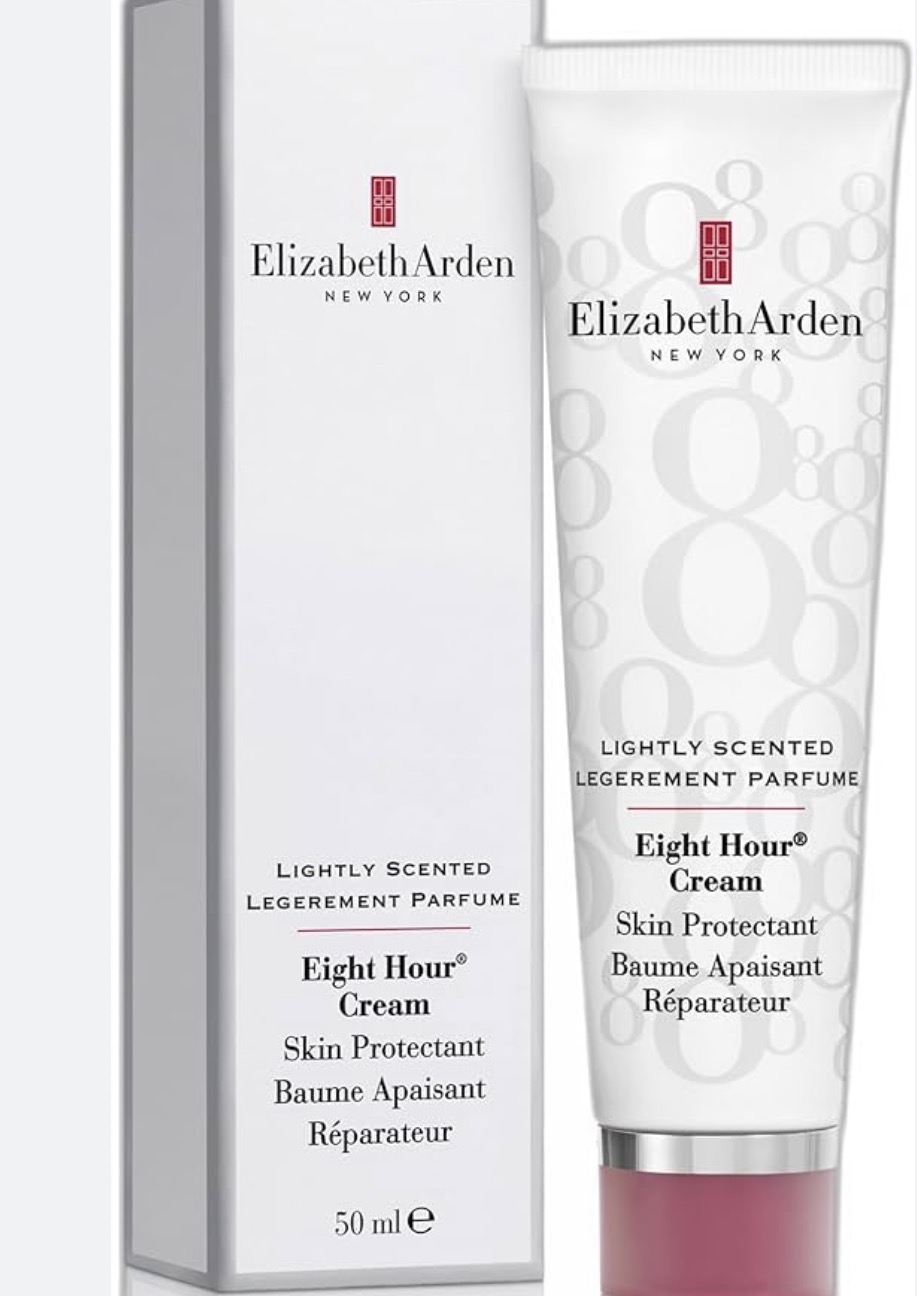
This was my old stand-by for cracked skin and lips – and, in particular, for the irritation caused by frequent nose-blowing whenever I had a cold. Do you know what I’m taking about? When you’ve been sniffling for days and your nose is red and angry with you? It’s perfect for that. It’s also good for dry elbows. I find it too heavy and greasy for general use (I wouldn’t cover my whole face with it) but it’s great for spot treatment.

To be honest, I’m not entirely sure that it’s significantly more effective than something like Vaseline … but I love the weirdly medicinal smell and since a small tube lasts me for years, it’s something I keep around.

CeraVe Moisturizing Cream

My daughter has eczema-prone skin, especially in the colder months, and this is the best (non-medicated) cream we’ve found for her. She uses it as a body moisturizer. You can buy industrial-sized tubs of it at Costco for relatively cheaply. CeraVe products in general have a great rep with dermatologists. We also (both) use the CeraVe SA Cleanser and find it gentle but effective (and also inexpensive).

Ok, your turn: tell me all your winter survival essentials!
Friday Feels #33

This week was a bit of a blur, for better or worse. It’s a relief to know it’s Friday and there’s a relatively quiet weekend ahead to regroup. Next week will be another episode of the Fast & Furious, so we have to make the most of the quiet moments wherever and whenever possible. I’m looking forward to enjoying some family time, getting my nails done, and doing only a very little bit of writing.

Sigh.

There is no getting away from the writing this year, not with the insane schedule I’ve set for myself. That’s only 10% a complaint, by the way; 90% of me is excited. Well, maybe it breaks down as 60% excited and 30% nervous, but that’s a distinction that often feels kinda meaningless. Anyway, I’m pushing to finish the current round of edits on my fantasy mystery book (tentatively scheduled for release this summer) so I can turn my attention back to MURDER TAKES A HOLIDAY. This week, I received my editor’s feedback. Next week, we’re having a call to discuss any necessary changes, and after that, it will be time for proof-editing and final tweaks.

And it will be out in less than 2 months from now!!

Whoa.

Like, I said before: this year is all Fast, all Furious, all the time. I’ve got so many plans to juggle, I haven’t got the time to sit and realize how unrealistic all those plans are. I’m just YOLO-ing over here like I’m 26 all over again. Living the dream, except with extremely creaky knees.

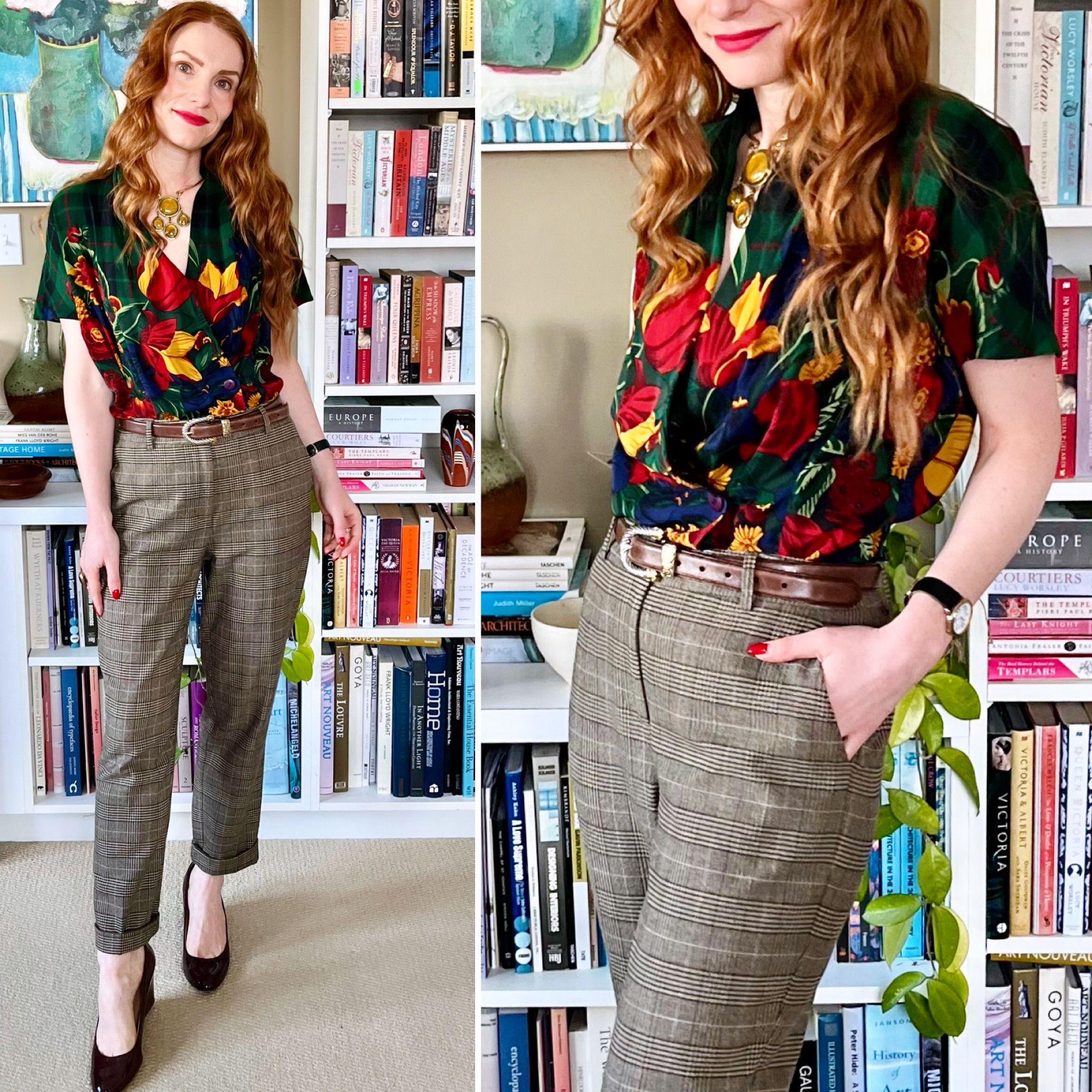
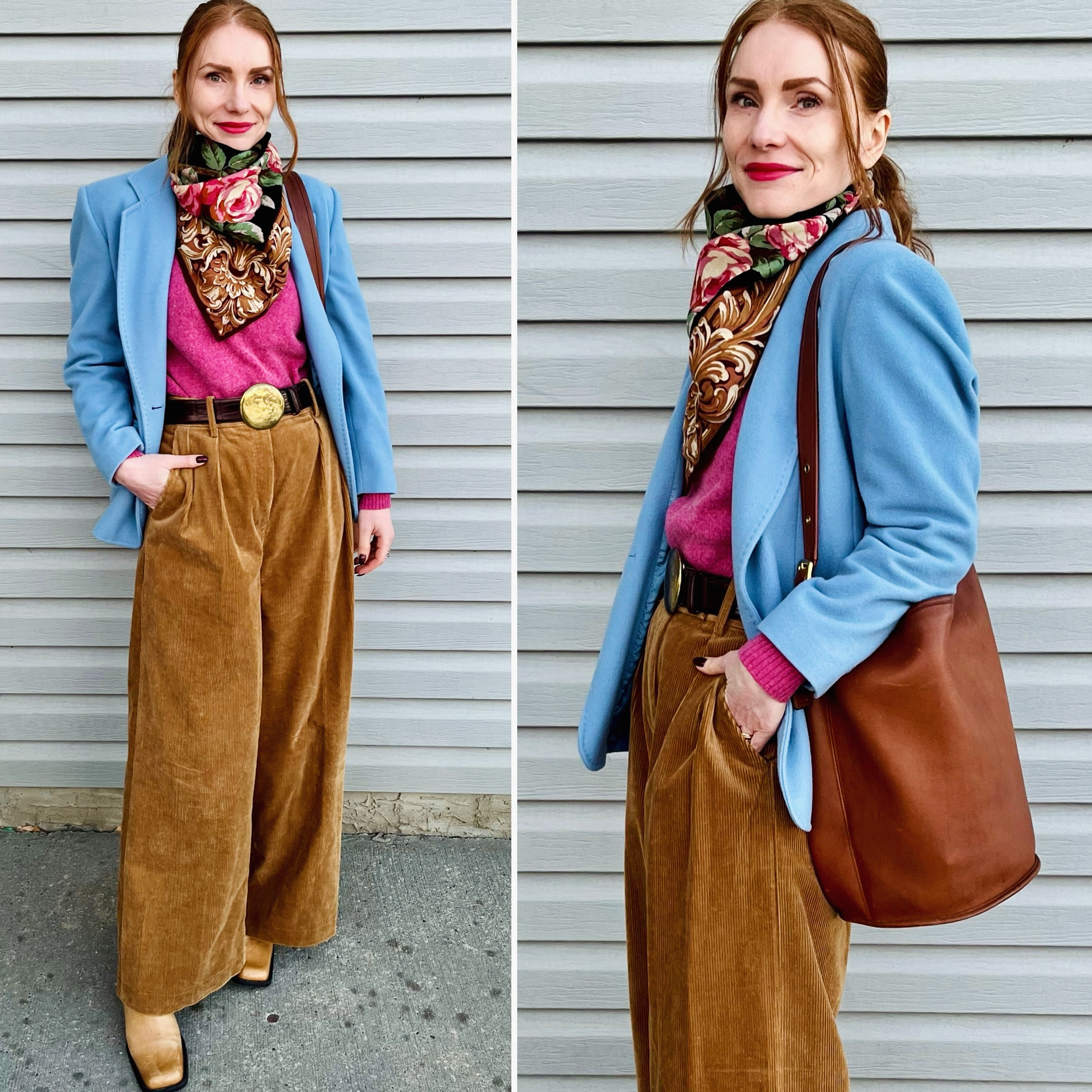
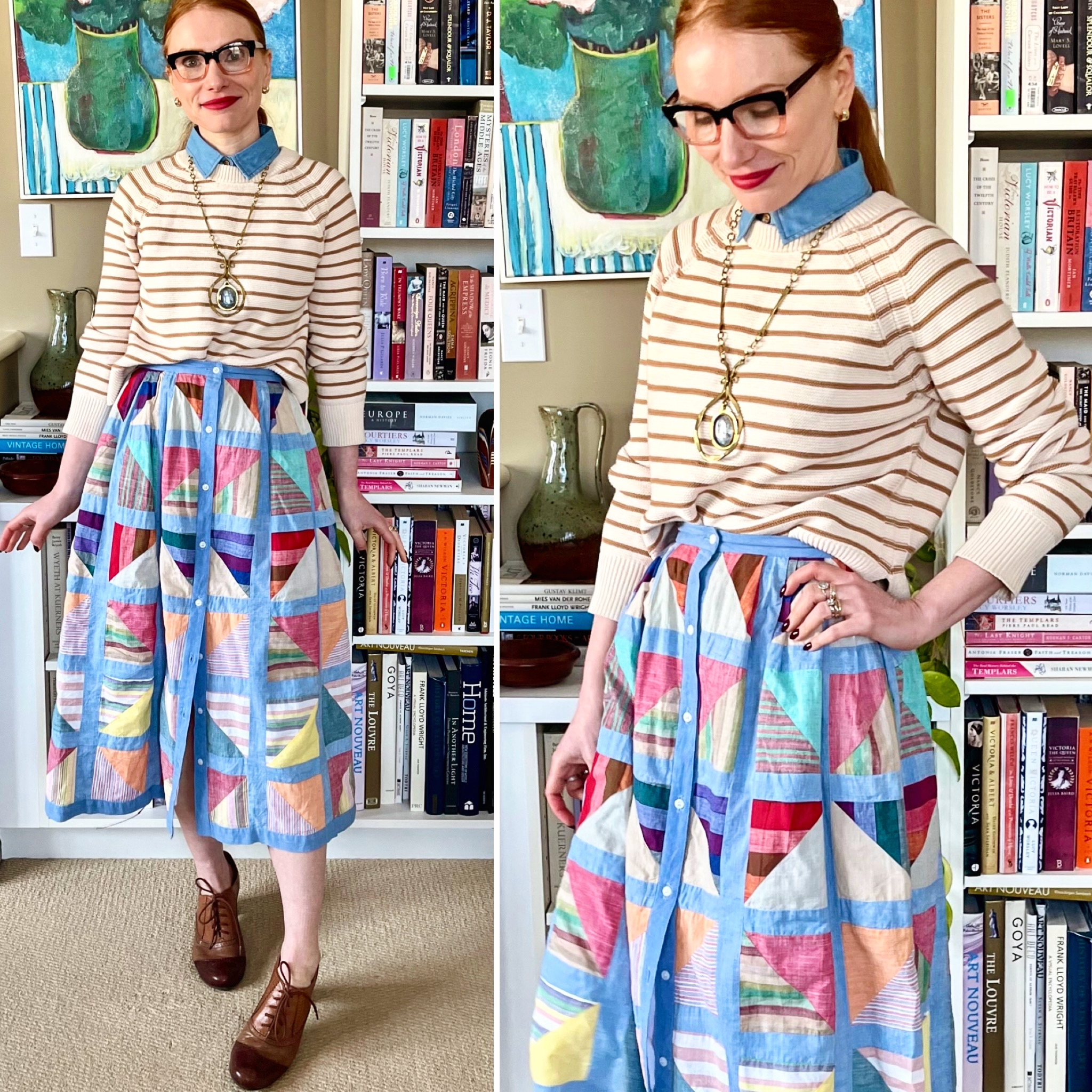
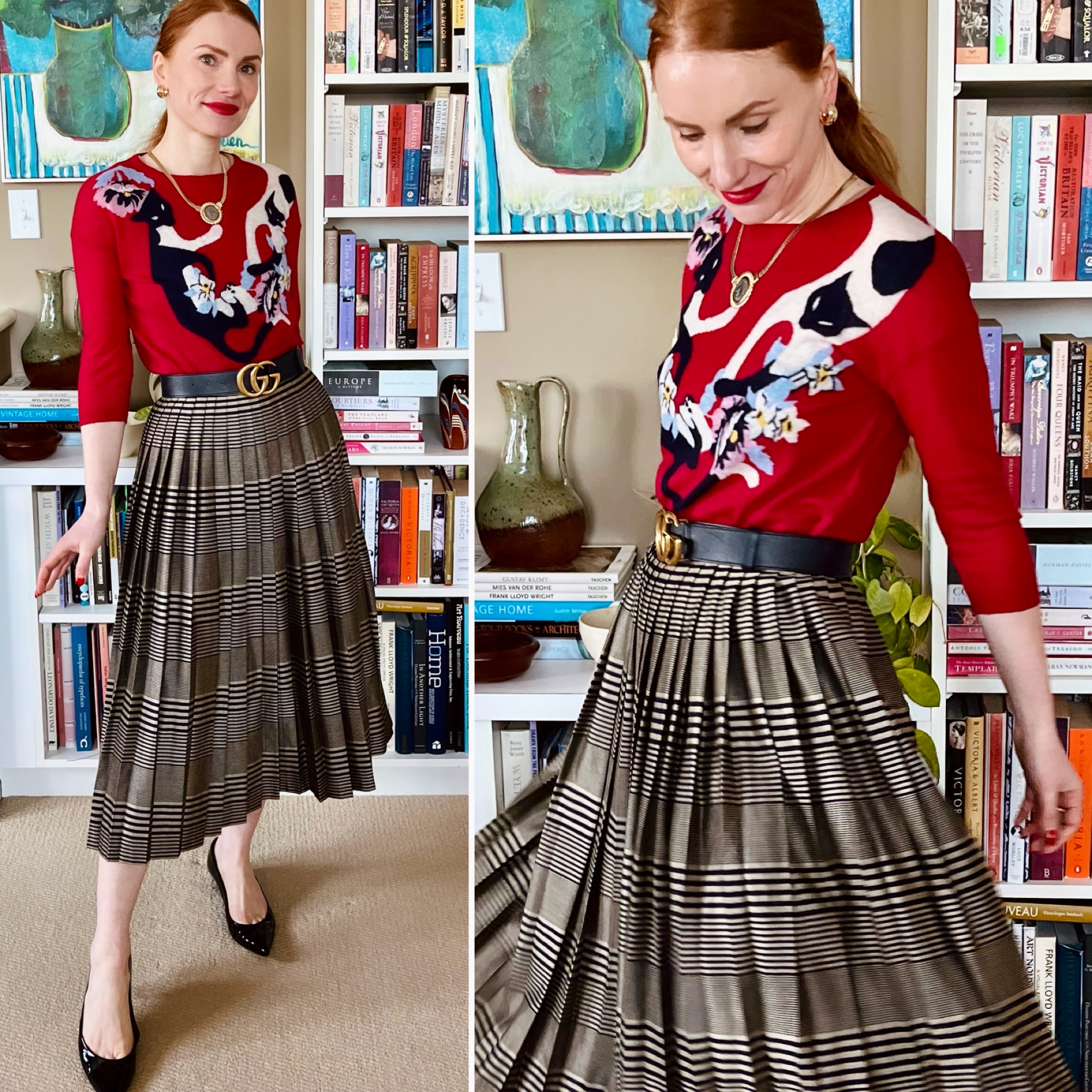
My outfits still slap, tho. [Do the youth today still use that word?] Or at least, they do when I bother to leave the house or get dressed for work. Some days, I’ll be honest, I haven’t got the time to take timely bathroom breaks, much less pick a cute outfit to wear. But I try, when the spirit moves.

This week, I only managed a couple of quick reads, both super fun: Loch Down Abbey by Beth Cowan Erskine (think Downton Abbey with mysterious goings on); and Murder at Gulls Nest by Jess Kidd … who might be one of my fave new mystery writers. I loved this book so much, and her writing reminded me of PD James and Ann Cleeves, two of my all-time faves.

Have a great weekend!

Chasing Happiness

I read a fantastic book over the holidays called Happiness: A History by Darrin McMahon, which was very apropos because I had been thinking about the subject a fair bit in recent months. As the title indicates, the book covers the history of Western philosophical thought, from the Ancient Greeks to the modern era, on happiness – what it is and how/where humans have tried to find it. For such a weighty subject, it’s an engrossing read. I haven’t read much philosophy since my early university days, but McMahon writes very accessibly and engagingly (and, at times, very colloquially); it reads like a narrative and not like a textbook or dry treatise. It’s hard to summarize 500+ pages of history and philosophy in one neat sentence, but my overall takeaway is that people have been obsessed with the idea of happiness for more than two millennia, and no one has managed to come up with any definite answers. 

Well, that’s not entirely true. There are no definite answers that everyone can agree on … and the book doesn’t even tackle the subject outside of Western culture. (I wish it did, but then it would have been 1,000 pages long, I suppose.) It was fascinating to see the evolution of ideas traced across centuries – from the early Classical Era, when people thought happiness could only be judged once a person died because it meant (to paraphrase) a life well-lived according to the ethical precepts of the day; to the medieval era, when people thought true happiness could only be found in the presence of God in the afterlife; to the Enlightenment, when the locus of happiness moved fully into the mortal/materialistic realm; to the 20th century, when technological progress and world wars made the whole notion of happiness more fraught than ever. But still: what is happiness? And how can we get it?

One thing that became clear in reading this book is that humans seem to have an innate longing/yearning/striving for something that appears to exist outside their day-to-day life, which they can’t quite define. Sometimes, they call it ‘happiness’. And, as with many things that are the object of longing, there is an impulse to want or expect that something to be, not simply attainable, but of permanence. It was fascinating to me that, across most if not all the various iterations of (Western) philosophical conceptions of happiness, there is this notion that, once we have the right idea of what happiness is and the right way to pursue it, we will achieve a state of everlasting happiness. That’s the promise of Judeo-Christian religion, but it’s not exclusive to it. And this is where it would have been interesting to have a broader, comparative approach – do other cultures also hold this belief? 

The book doesn’t get too deep into the empirical/psychological study of happiness that gained momentum in the second half of the 20th century and beyond, but does reference some of its findings – including the concept of the hedonic treadmill (to which some 18th philosophers had already alluded), the happiness set-point, and others. It’s been a long time since I read it, but Daniel Gilbert’s Stumbling on Happiness looks at the modern research on happiness in pretty comprehensive detail; I really enjoyed it, and I think it would be a good companion read to McMahon’s book. I would love a book that marries the two: a synthesis of philosophy and psychology, written by a practitioner of the former (lol!). There are so many books on happiness being written these days, but most of them seem to be of the self-help/pop psychology variety, which doesn’t interest me. 

My own current view on happiness can be summed up thusly: happiness is not what most of us have been taught to think it is. If happiness is the state of being happy – a feeling that is the opposite of sad or despondent, pleasure as opposed to pain – then it cannot be the answer to the yearning that is a defining part of the human experience. Feelings are fleeting, never permanent; they come, they go. You can’t build a stable foundation on shifting sand. As I see it now, what we yearn for is transcendence. Or, put another way, something reassuring to hold on to in the face of the two immutable, harsh facts of human existence: its impermanence and its randomness. We cannot truly transcend these things, but we need something that makes life worth living despite them. 

For me, that something is meaning or purpose – not happiness. I acknowledge the contradiction inherent in the pursuit/belief in the idea of meaning in a random world (what Camus called a ‘meaningless’ world). Camus thought the answer was to embrace the absurdity of the human experience without trying to transcend it. Actual transcendence is, of course, impossible … but everyone needs a reason to get out of bed every day. In my eyes, meaning doesn’t obscure the realities of the human condition; it simply makes them sufficiently bearable to make living worthwhile – and to make it possible to experience contentment within the confines of the human condition. [Contentment being something different from ‘happiness’ – closer, perhaps, to acceptance.] And I think meaning isn’t something we find externally, but have to define for ourselves. 

I would love to hear from you: what is your idea of happiness?